Fire Safety
School Fire Safety Compliance in Nigeria's Education Sector
What is school fire safety compliance?
School fire safety compliance refers to the set of measures and standards that schools must follow to ensure the safety of students and staff in case of a fire. This includes having proper fire alarms, fire extinguishers, and clearly marked escape routes. Compliance also involves regular fire drills and staff training. Each school must adhere to these regulations to create a safe learning environment.
Why does it matter in Nigeria?
Fire safety compliance is vital in Nigeria, where schools often face challenges such as overcrowding and inadequate infrastructure. According to the Nigerian National Fire Safety Code, schools are among the most vulnerable buildings to fire hazards due to flammable materials, poor electrical wiring, and lack of emergency exits. Recent incidents in Lagos and Port Harcourt have highlighted the devastating impact of fires in educational institutions. Ensuring compliance not only protects students but also helps schools avoid legal penalties from regulatory bodies like the National Agency for Food and Drug Administration and Control (NAFDAC) and the Nigerian Fire Service.
How does fire safety compliance work?
In Nigeria, schools must meet specific fire safety regulations as outlined by the Fire Service Act and other local laws. Here is a basic outline of how compliance works:
- Assessment: Schools must assess fire risks regularly. This involves checking all possible fire hazards, including electrical equipment and storage of flammable materials.
- Implementing safety measures: Based on the assessment, schools should install fire alarms, smoke detectors, and fire escape routes. Fire extinguishers must be available and easily accessible.
- Training and drills: Staff and students should undergo regular fire safety training. Fire drills must occur at least twice a year to ensure everyone knows how to respond in case of an emergency.
- Documentation: Schools should maintain records of safety assessments, training sessions, and drills. This documentation is essential for demonstrating compliance to authorities.
What to watch out for?
Several factors can undermine fire safety compliance:
- Inadequate infrastructure: Old buildings may not have the infrastructure to support modern safety standards. Ensure that all schools undergo regular upgrades and renovations to meet safety expectations.
- Lack of training: Staff must be trained to handle emergencies. Without proper knowledge, reactions during a fire can make situations worse. Ensure staff receives regular training and updates on fire safety protocols.
- Poor communication: Schools should ensure clear communication channels for reporting fire hazards and incidents. Encourage students and staff to report concerns promptly.
- Natural challenges: Nigeria experiences seasonal changes, including the rainy season, which can increase risks such as flooding. Managing environmental factors is essential for effective fire safety compliance.
What to do next?
For schools in Nigeria aiming to improve fire safety compliance, here are actionable steps:
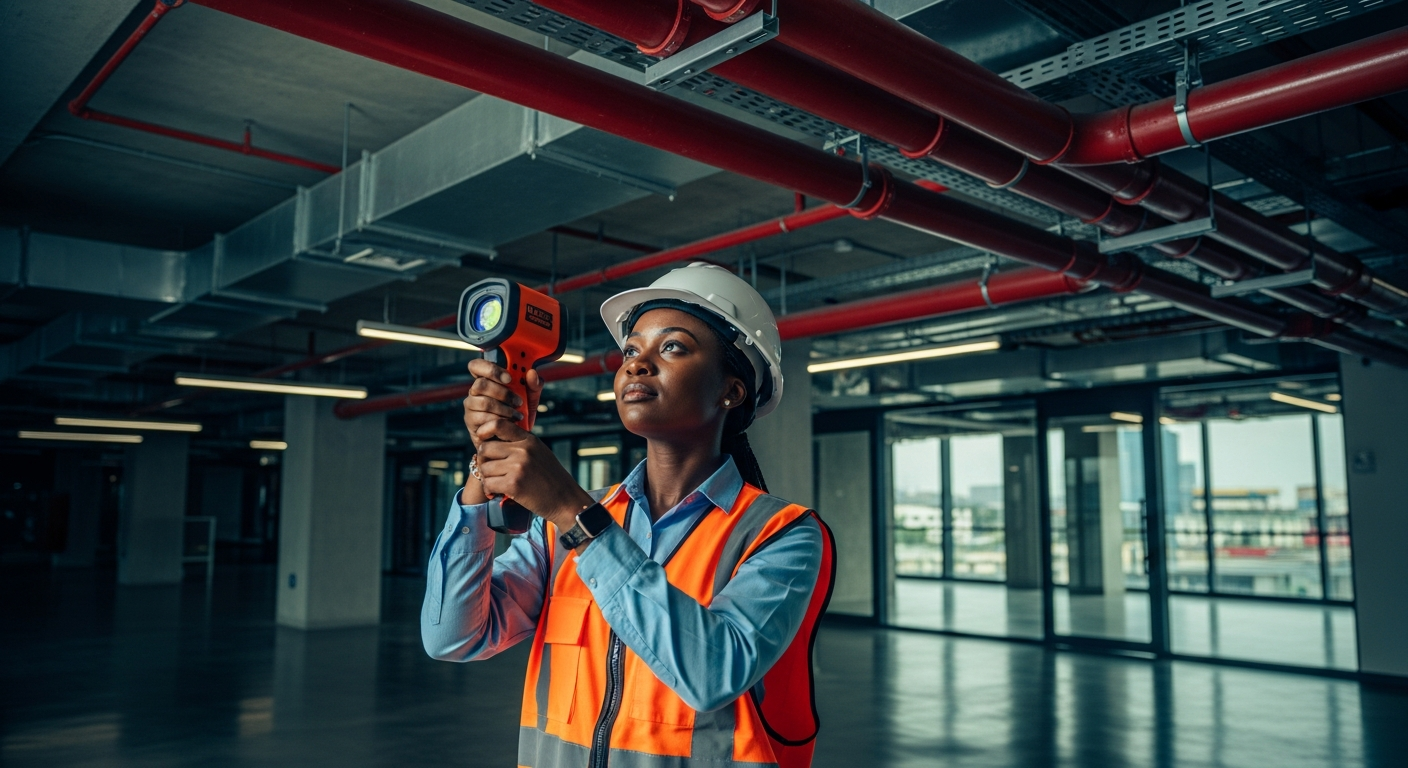
- Conduct a fire risk assessment: Engage professionals to evaluate the school’s current fire safety measures. This can help identify weaknesses and potential risks.
- Invest in training: Allocate a budget for training staff and students on fire safety practices. This investment pays off by ensuring everyone knows what to do in an emergency.
- Review and upgrade facilities: Collaborate with local authorities to ascertain if the existing buildings meet current fire safety standards. Keep facilities well-maintained and up-to-date with regulations.
- Engage with Julimer Advisory: Our team at Julimer Advisory can provide tailored consultation services on fire safety compliance for your school. We specialise in helping educational institutions navigate the complex landscape of regulations and implement effective safety measures.
In summary, school fire safety compliance is crucial for protecting lives in Nigeria's education sector. By understanding what it is, why it matters, how it works, what to watch out for, and the next steps you need to take, schools can ensure the safety of their communities. Prioritising fire safety is not just a legal requirement; it is a moral obligation to safeguard the future of our children.
Work with us
Need an independent survey, fire safety assessment or claims support? The Julimer Advisory team is ready to help.
Contact us